
An Advocacy Call – Addressing Local Government Barriers for ECD Centres
This campaign aims to address barriers to ECD centre registration, facilitating changes in local government regulations and processes, starting with the City of Cape Town as the pilot. Removing barriers to ECD centre registration is critical as it ensures ECD centres meet health and safety standards and allows poorer centres to access the ECD subsidy, ensuring equitable access to quality ECD. There is much evidence that municipal compliances are the main obstacle to ECD centre registration.
Pilot Project – City of Cape Town

Driving Community Engagement
Community engagement is a core part of our advocacy and social justice work. Much of this involves engaging with ECD forums, which has deepened our understanding of the challenges faced by the ECD workforce, while also allowing us to share developments and information with the sector. If you are part of an ECD forum in Cape Town and we have not connected with you yet, we would love to get in touch! Contact us here: Contact Us
Taking on Walk-in Cases
Initially, a key part of our advocacy work involved working with individual ECD centres on a case-by-case basis so that we could grapple with and understand the complex local by-laws, policies and processes involved in ECD centres getting the required municipal compliances in place. Since we started taking on walk-in cases, we have removed charges and penalties for ECD principals to pay amounting to over a total of R1.8 million. Here are two examples of walk-in cases, detailing the ECD centres’ journeys to obtain land use approval from the City of Cape Town. These case studies, while unique, highlight the shared obstacles ECD centres face in striving to operate legally and secure the necessary land use permissions. They reveal how municipal systems are often misaligned with the realities and needs of ECD centres, underscoring the urgent need for a more supportive and adaptable regulatory framework at a local government level.

Leading the City of Cape Town ECD Task Team
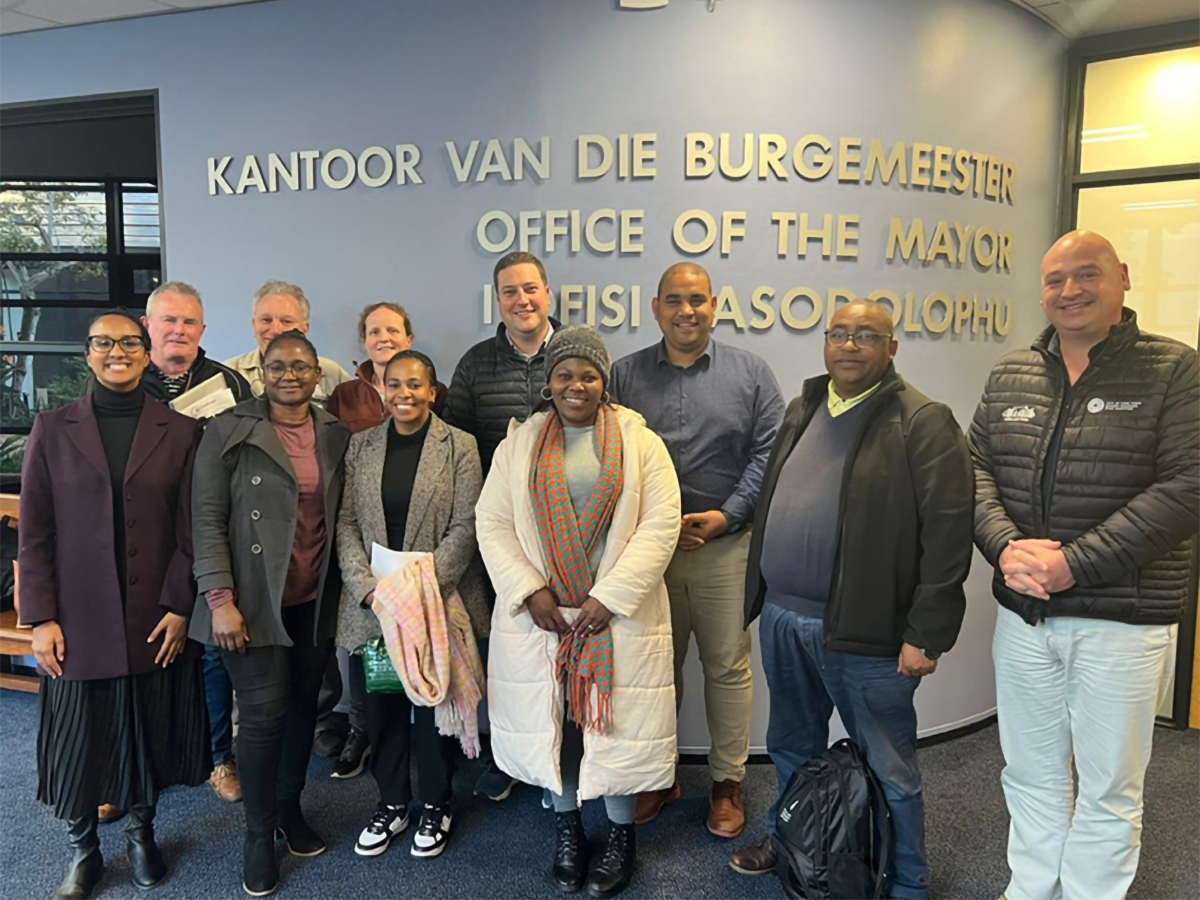
To address root challenges and foster systemic change in local government (rather than working on a case-by-case approach), we decided to engage directly with local government decision-makers. Specifically, we approached the Executive Mayor of Cape Town to address regulatory and financial issues affecting ECD centres. This led to the establishment of an ECD task team which addresses complex registration issues and offers effective, context-specific solutions, including policy changes, user-friendly templates, and exemptions – reimagining the City’s approach to ECD to create an enabling regulatory environment. Our participation, as a social partner, ensures that outcomes reflect the need on the ground.
Halting Notices to Cease Operating
ECD centres without the correct land use were previously at risk of receiving cease operating and comply notices from the City. Closing centres abruptly would have serious implications for children and communities, yet many centres struggle to comply with the City’s land use requirement due to financial and procedural barriers. Following engagement, the City agreed to halt these closure notices, unless there is a health and safety concern for the children at the ECD centre, recognising that non-compliance often results from challenges within the City’s own processes and by-laws.


Expanding the City’s Map of Vulnerable Areas
Following our direct engagement with the City, the Unit successfully co-developed a map of vulnerable or poor areas in the City of Cape Town, expanding the City’s methodology for identifying “vulnerable areas”, specifically for our use in the fight to reduce local barriers to registration for ECD centres in the most vulnerable communities. Using ECD Census data, household income data, and the City’s Social Vulnerability Index, the City adopted a refined methodology to classify vulnerable areas.
The approved map now supports at least 1,562 ECD centres, 58,043 children, and 7,282 staff members.
You can view the map here: Vulnerable Areas Map.
Tackling the Administrative Penalty
We addressed the administrative penalty, a fee (between R500 – R40,000) applied when ECD centres operate without land use approval or approved building plans. Based on our direct engagement, the City of Cape Town approved an exemption from this penalty for ECD centres in informal settlements and poor communities (as indicated by the approved map of vulnerable areas). We co-developed a template motivation letter for ECD centres that still have to pay administrative penalties, motivating for a reduced/R0 penalty.
This video explains what an administrative penalty is, what the exemption means and how an ECD centre principal can find out if their centre is exempt from paying this penalty fee. The City Map Viewer can be found here.

Amending the City of Cape Town’s Municipal Planning By-law
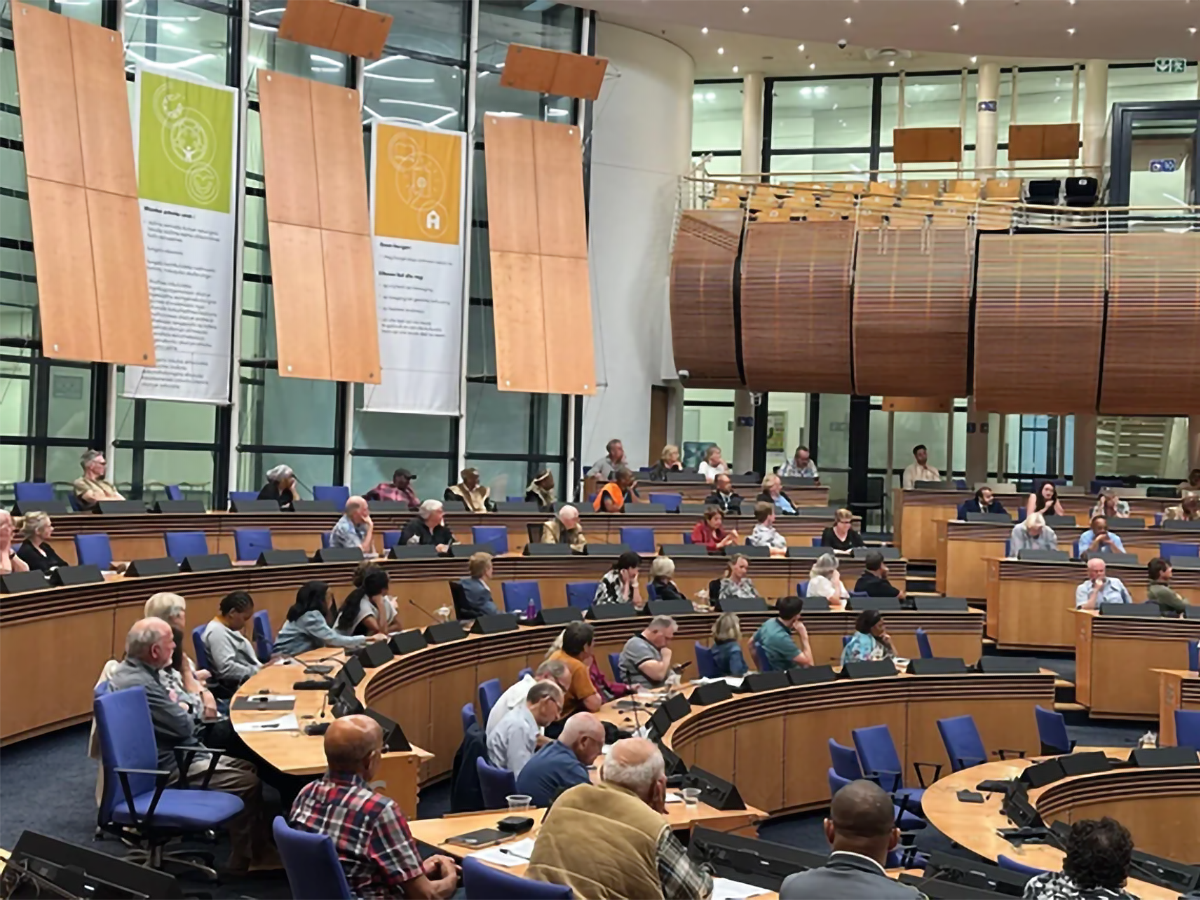
In 2024 we rallied the ECD sector to support our comments on the proposed amendments to the City of Cape Town’s Municipal Panning By-law, which regulates development and land use approvals applicable to ECD centres. Thanks to all of you, our collective voices were heard!
On 1 October 2025, the City of Cape Town approved the amendments to their Municipal Planning By-law, which now allows ECD centres in specific zonings to operate without having to obtain land use approval from the City, provided certain conditions are met. This will positively impact many ECD centres in Cape Town!
Tackling Land Use Approval
Land use approval is the first stage of municipal compliance for an ECD centre in the City of Cape Town. An ECD centre must have the requisite land use approval in place to comply with municipal by-laws and become fully registered as a partial care facility with the Western Cape Education Department. As this is the first stage of municipal compliance, ECD centres cannot get the other municipal compliances in place until their land use approval is in place. The approval process is governed by the City of Cape Town’s Municipal Planning By-law, which has historically been overly complicated, long and costly for ECD centres.
To support the administrative process, we co-developed a land use motivation template that ECD centres can use when applying for their land use.

Tackling Development Charges
Development charges are once-off charges imposed on landowners to cover the cost of municipal engineering services required as a result of added demand on the City’s bulk infrastructure for roads, sewerage, stormwater, and solid waste, etc. These charges must be paid as a condition to the land use approval granted, making them a significant financial barrier to ECD centre compliance and ultimately full registration.
Importantly, the City recognises that many ECD centres cannot afford these charges and has a development charge exemption available to ECD centres. In fact, there is an automatic exemption for small-scale ECD centres with 34 or fewer children. ECD centres with 35 and more children can apply for the development charge exemption. CECD worked to expand access to the exemptions, and in 2025, the criteria were refined and approved. The City also maintains a fund to cover infrastructure costs where exemptions apply. Read more from the City here.
Addressing the Electricity Tariff Conversion
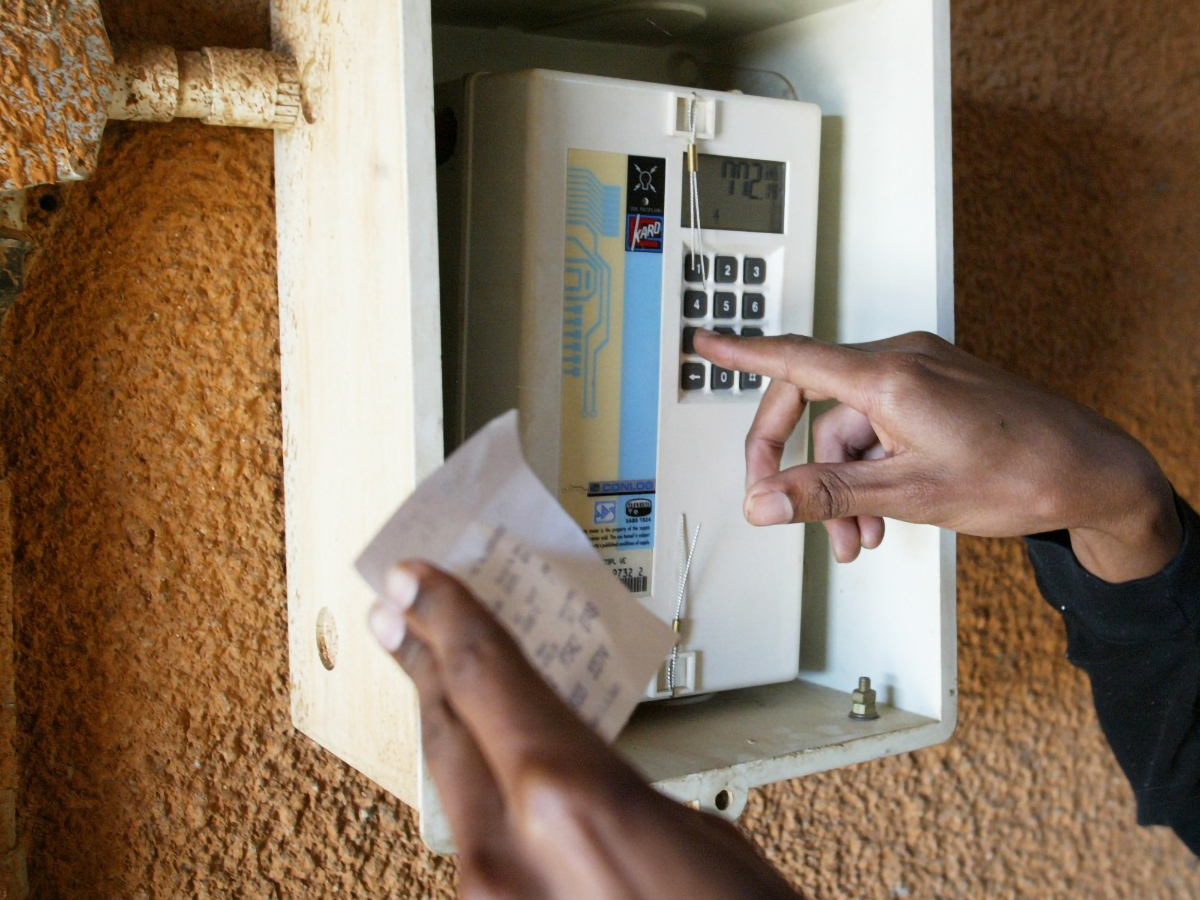
Walk-in cases revealed that some ECD centres, even very small ones with as few as ten children, were required to convert to a commercial electricity tariff and pay a shared-network charge as a condition to their land use approval. CECD supported seven centres in appealing this condition, with successful outcomes confirming it cannot be an imposed condition or linked to a land use approval or building plan submission. This means approvals can no longer be delayed by electricity tariff conversions, allowing centres to proceed with fire and health clearances.
Following our engagements, the City’s Energy Directorate conducted a study to inform the correct charging of electricity tariffs for ECD centres. This study concluded that ECD centres have diverse profiles – different to both typical residential and commercial customers, and tariff assignment should be case-by-case rather than a blanket approach. With this information, we continue to work together towards a tariff approach that reduces barriers to municipal compliance for ECD centres.
Supporting ECD Centres on City Property
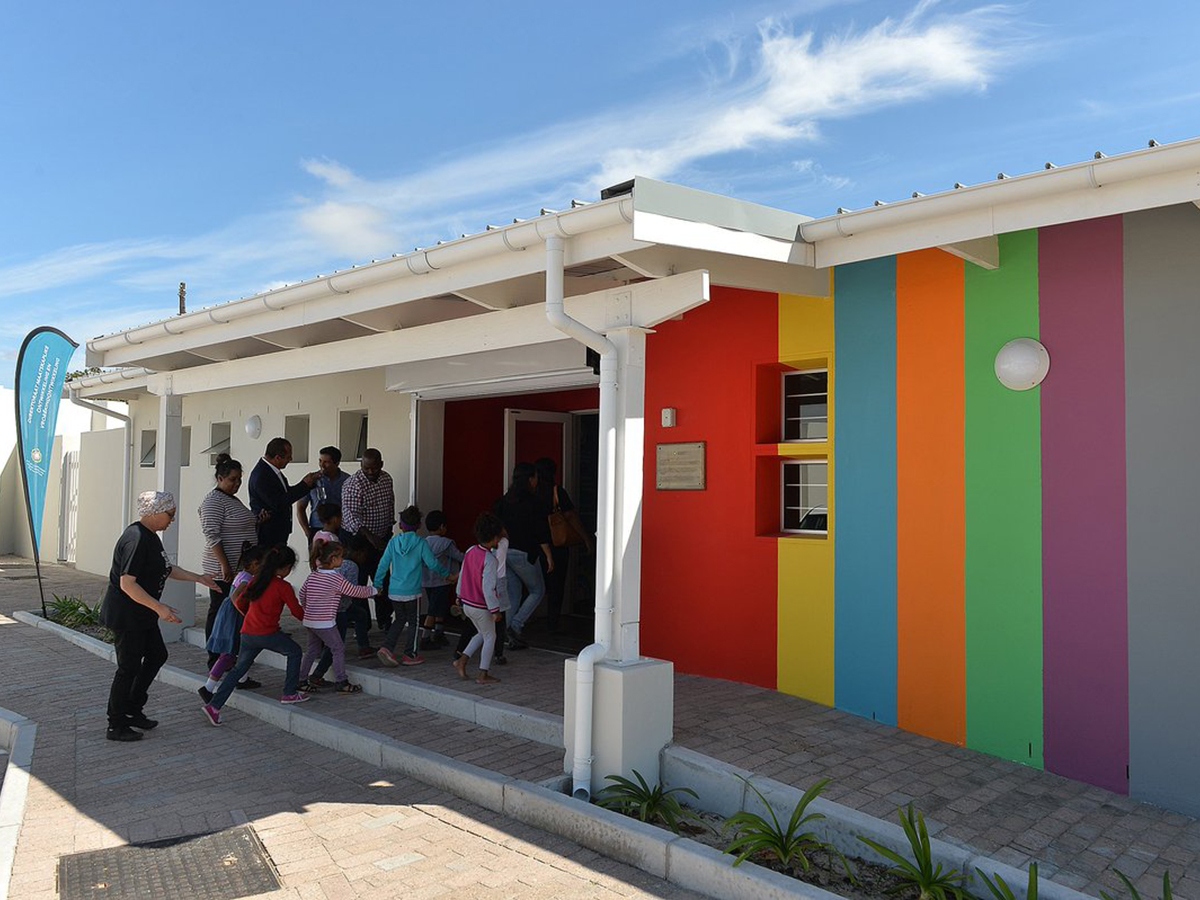
An important reform area is land security for ECD centres operating on City-owned land, particularly in terms of either securing a lease or, where possible, purchasing the property to become landowners. The City approved a process for ECD centres on City-owned land to purchase the land for ECD purposes. With our input, the task team worked to publish information (here), including an application form, information guide and list of over 290 ECD centres that qualify. For centres that qualify, certain fees in the sales process will be waived and the properties will be for sale at a discounted rate equal to 10% of their market value. This will facilitate the purchasing of property, especially where cost is a major obstacle; however, it is equally important that ECD operators understand the financial and administrative risk with purchasing and owning property, rather than leasing.
Enabling a Regulatory System for ECD Centres in Informal Settlements
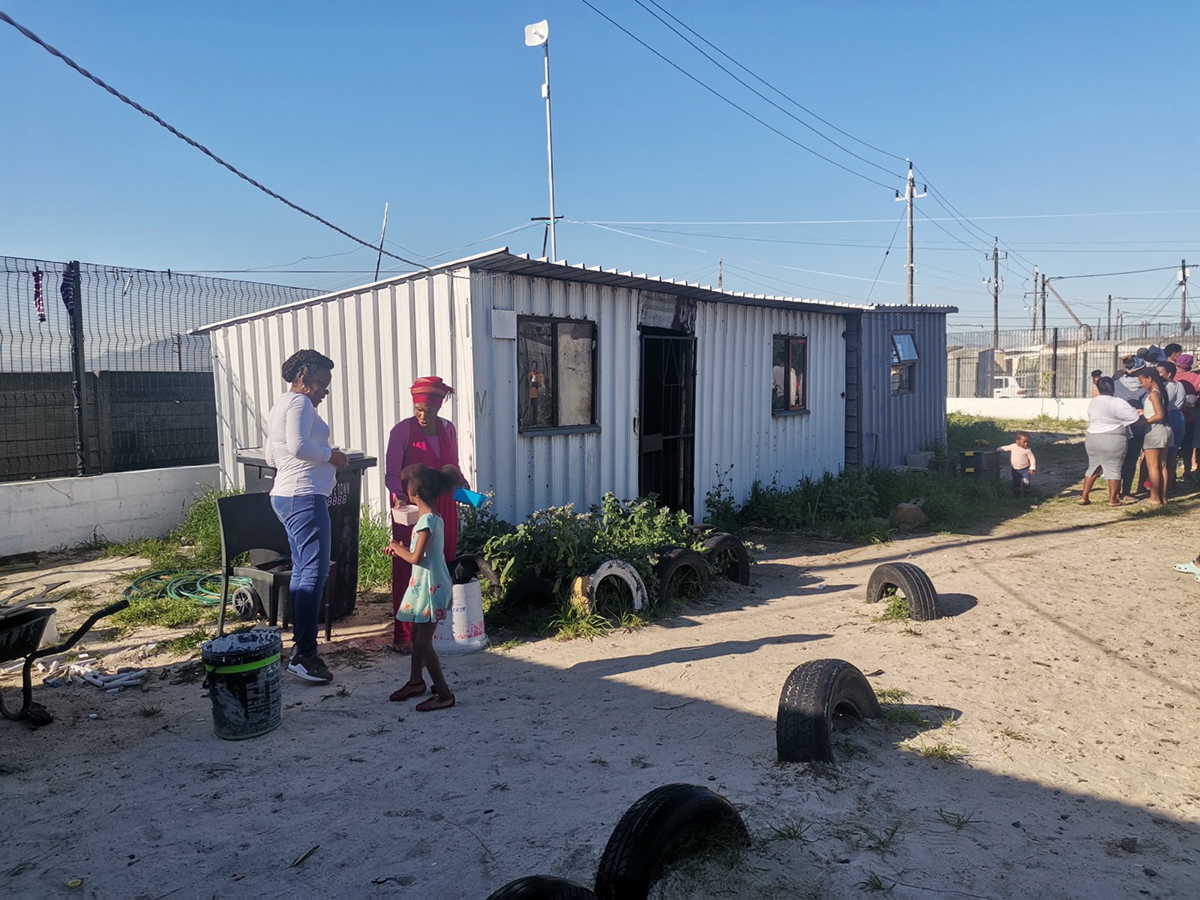
We have been working with the City of Cape Town to establish a just and fair regulatory system that supports ECD centres in informal settlements. The existing system provides no clear pathway for these centres to obtain land use approval. To date, the ECD task team successfully trialled one way for an ECD centre in an informal settlement to obtain land use approval.

Releasing City Information Videos for the ECD Sector
We have been working with the City to release a video series which aims to inform the ECD sector about the City’s municipal compliance requirements and importantly share the progress achieved by the Mayor’s ECD task team to remove barriers for ECD centres. The introductory video was released on 1 June 2025, with more to follow.
You can watch the first video here.